




Description
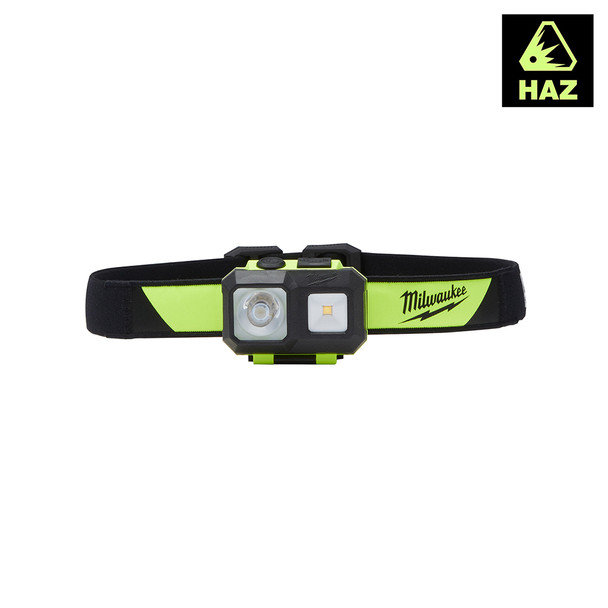
Milwaukee Intrinsically Safe Spot/Flood Headlamp (2004HZL)
Safety Without Compromise: Class I, II, & III / Division 1 Certified for the World's Toughest Environments.
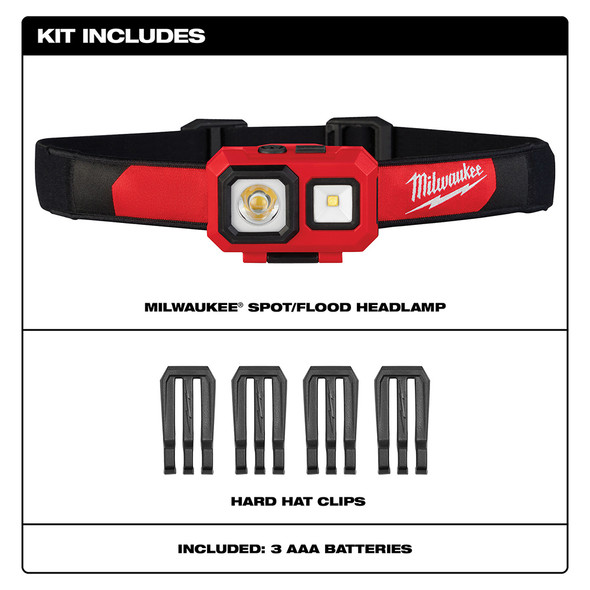
When the job takes you into hazardous locations, your lighting shouldn't be a liability. The Milwaukee 2004HZL Intrinsically Safe Headlamp is engineered to provide high-intensity illumination in areas where flammable gases, vapors, or combustible dust are present. Rated for Class I, II, and III / Division 1, this headlamp sets the standard for safety in oil and gas, chemical processing, and grain handling facilities.
Delivering 310 Lumens of TRUEVIEW™ High Definition Output, the 2004HZL ensures you can see clearly and identify colors accurately—even in the darkest, high-risk zones.
Key Features & Professional Benefits:
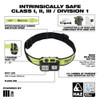
- Intrinsically Safe Certified: Rated for Class I, II, III / Division 1 and Groups A-G, ensuring the light will not be a source of ignition in explosive atmospheres.
- TRUEVIEW™ High Definition Output: Provides a neutral white beam and consistent light that represents colors accurately, essential for identifying color-coded wiring or pipe markers.
- Spot & Flood Versatility: Transition seamlessly between a wide flood beam for task work and a powerful spot beam for long-range inspection up to 100 meters.
- 3 Output Modes:
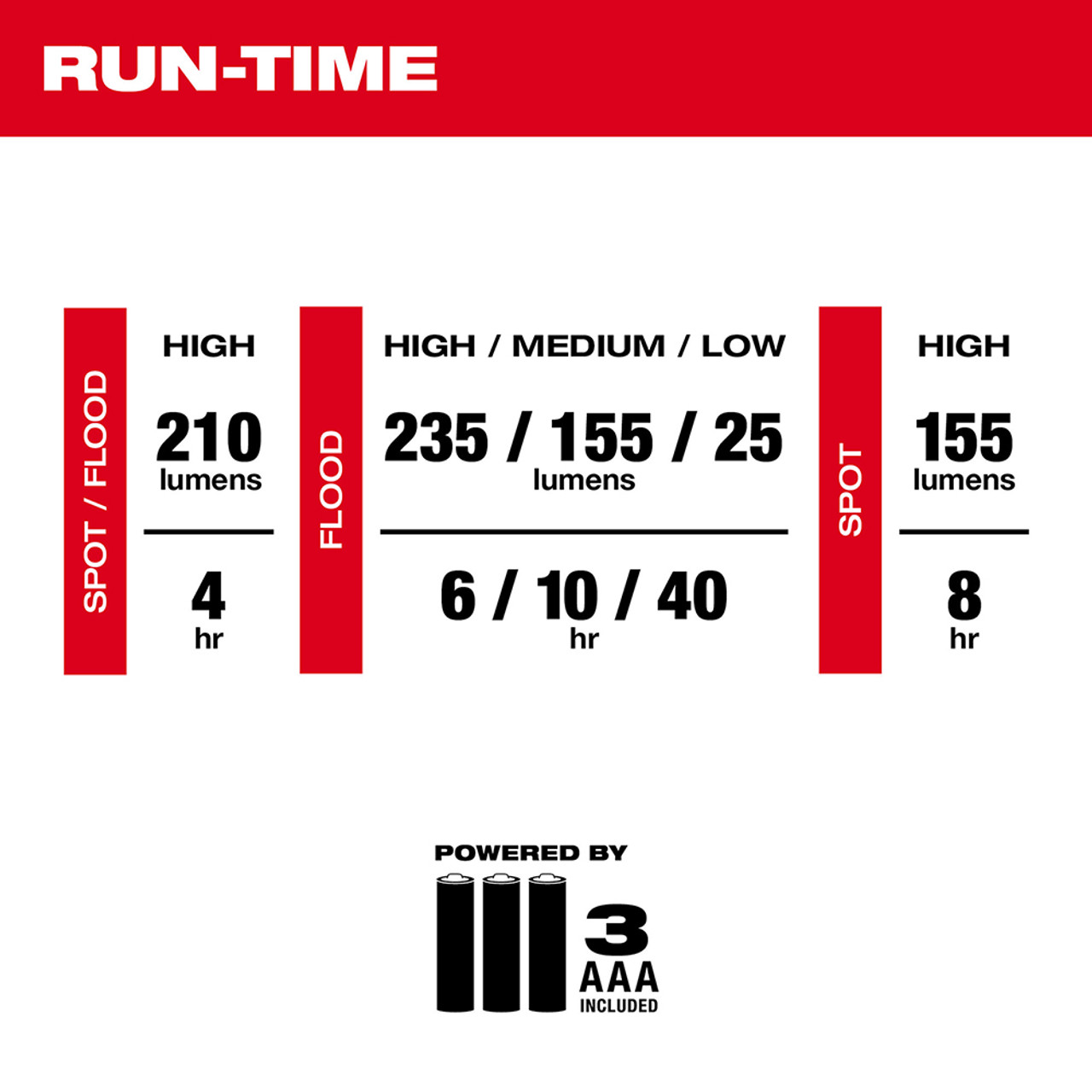
- Spot/Flood Hybrid: 310 Lumens (4 Hours)
- Spot: 155 Lumens (8 Hours)
- Flood: 155 Lumens (8 Hours)
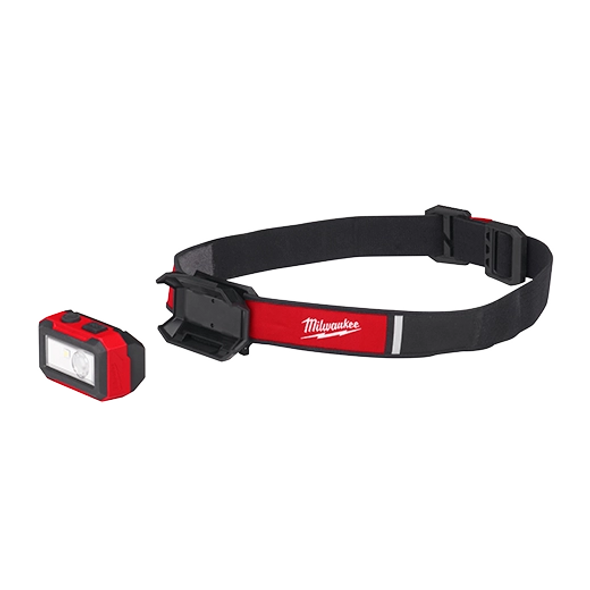
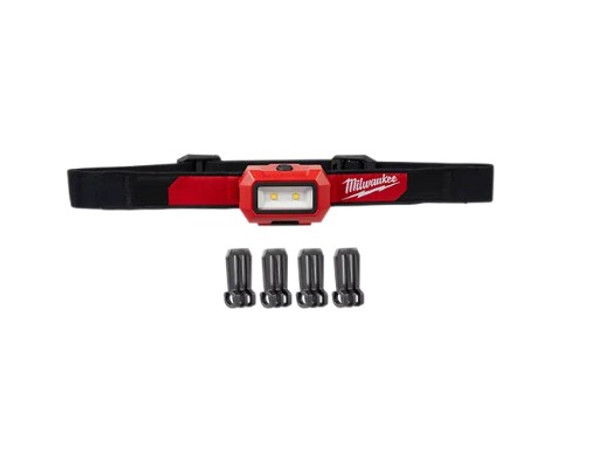
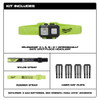
- Dual Strap System Included: Comes with a heavy-duty rubber strap for a permanent, slip-free grip on hard hats and an adjustable elastic strap for comfortable bare-head use.
- Jobsite Tough: Features an IP64 rating (dust-tight and water-resistant) and an impact-resistant lens designed to withstand the rigors of industrial maintenance.
- Safety Orange Housing: High-visibility color ensures the tool is easily identifiable as a safety-rated device on-site.
Product Specifications:
| Attribute | Specification |
| Model Number | 2004HZL |
| Safety Ratings | Class I, II, III / Div 1 (Groups A-G) |
| Max Lumens | 310 |
| Max Beam Distance | 100 Meters (328 ft) |
| Power Source | (3) AAA Batteries (Included) |
| Weight | 0.3 lbs |
| IP Rating | IP64 |
Engineered for Industrial Compliance
The 2004HZL is designed to pass the most stringent safety audits while providing the performance pros expect from Milwaukee. The light head features a pivoting adjustment with 7 positions, allowing you to direct the beam precisely where you need it without straining your neck. For the professional working in refineries, mines, or mills, this headlamp is the ultimate combination of certified safety and high-performance visibility.
Don't risk your safety with unrated lighting. Upgrade to the Milwaukee 2004HZL and work with confidence in any environment.
Understanding Hazardous Location Ratings: Division 1 vs. Division 2
When selecting lighting for hazardous environments, the most critical factors are the Class (the type of hazard) and the Division (the frequency of the hazard). Using an incorrectly rated tool can be a major safety violation and a fire hazard.
The Division Breakdown
The "Division" tells you how often the explosive or flammable material is expected to be present.
Rating Definition Hazard Frequency Requirement Division 1 High Risk. Flammable gases, vapors, or dust are present under normal operating conditions. Constant or Frequent Must use Intrinsically Safe or Explosion-Proof tools (like the 2004HZL). Division 2 Potential Risk. Flammable materials are only present under abnormal conditions (like a leak or spill). Infrequent or Accidental Standard industrial tools may be prohibited; safety-rated tools are highly recommended. The Three Classes of Hazards
Hazardous locations are further categorized by the specific type of material present:
- Class I (Gases & Vapors): Locations where flammable gases or vapors are present in the air (e.g., Petroleum refineries, gas storage, or spray finishing areas).
- Class II (Combustible Dusts): Locations where combustible dust is present (e.g., Grain elevators, coal plants, or flour/sugar mills).
- Class III (Ignitible Fibers): Locations where easily ignitible fibers are present, but not likely to be in suspension in the air (e.g., Textile mills or wood processing plants).
Why "Intrinsically Safe" Matters
A tool labeled "Intrinsically Safe" (like the Milwaukee 2004HZL) is designed so that it cannot produce enough electrical or thermal energy to ignite a specific hazardous atmospheric mixture. Even if the tool is damaged or short-circuited, it will not create a spark or heat up enough to cause an explosion.
Pro Tip: Always check the "Groups" listed on your tool. Groups A-D cover gases like Acetylene and Gasoline, while Groups E-G cover dusts like Metal, Coal, and Grain. The Milwaukee 2004HZL is rated for Groups A through G, covering the widest range of hazards.
Which Light Do You Need?
- If you work in a refinery, fuel tank, or grain silo: You likely need a Division 1 rated tool.
- If you work in a warehouse near sealed chemicals: A Division 2 rating may be sufficient, but many safety officers require Division 1 as a universal precaution.
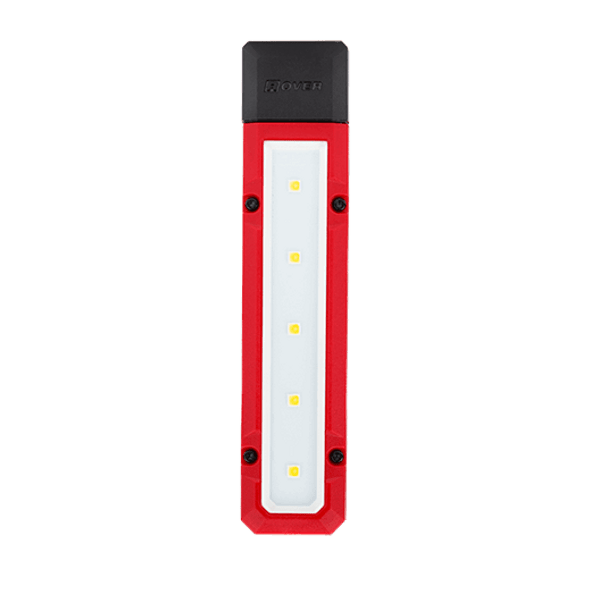
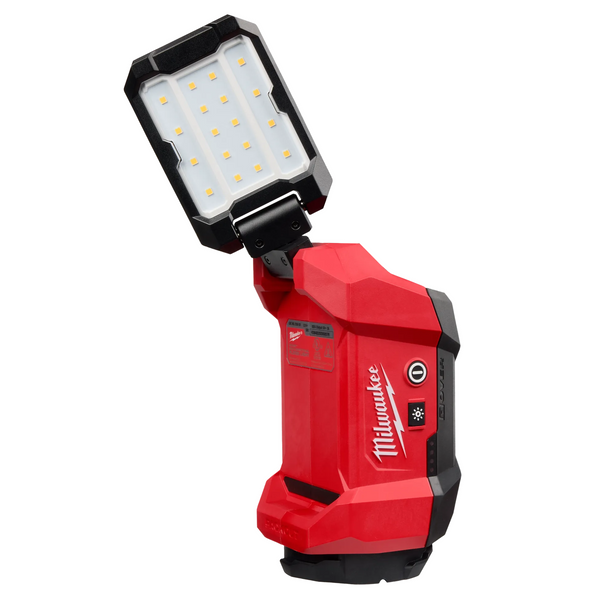
- If you work in general construction: Standard TRUEVIEW™ LED lights (like the M18™ ROVER™) provide the best visibility but are not rated for explosive atmospheres.
Product Specifications
category_bullets: |
IS Certified: Class I, II, III / Division 1 rated for hazardous environments. Dual Beam: Spot and Flood modes with up to 310 lumens of TRUEVIEW™ output. Safety First: Explicitly designed for refineries, pits, and grain storage. |
selling_points: |
✔️ Hazard Rated: Certified for use in environments with flammable gases and dust. ✔️ Total Versatility: Spot and Flood modes for inspections or general lighting. ✔️ Long Runtime: Up to 40 hours of light on low setting (3 AAA batteries) |